Why Is My Electric Bill So High in Summer | Lockwell HVAC
Cooling drives roughly half of summer electric bills in Alabama homes. The biggest culprits are dirty filters, undersized or oversized AC equipment, leaky ducts losing 20-30% of conditioned air, and thermostat setpoints below 78°F. Most homes can cut summer bills 15-30% by fixing these without replacing equipment.
The Bill Spike Has a Reason
You opened your June Alabama Power bill and almost dropped it. We see this conversation every summer in Birmingham, Hoover, Trussville, and Vestavia Hills. Bills double, sometimes triple, between April and July. The thermostat says the same number. So what changed?
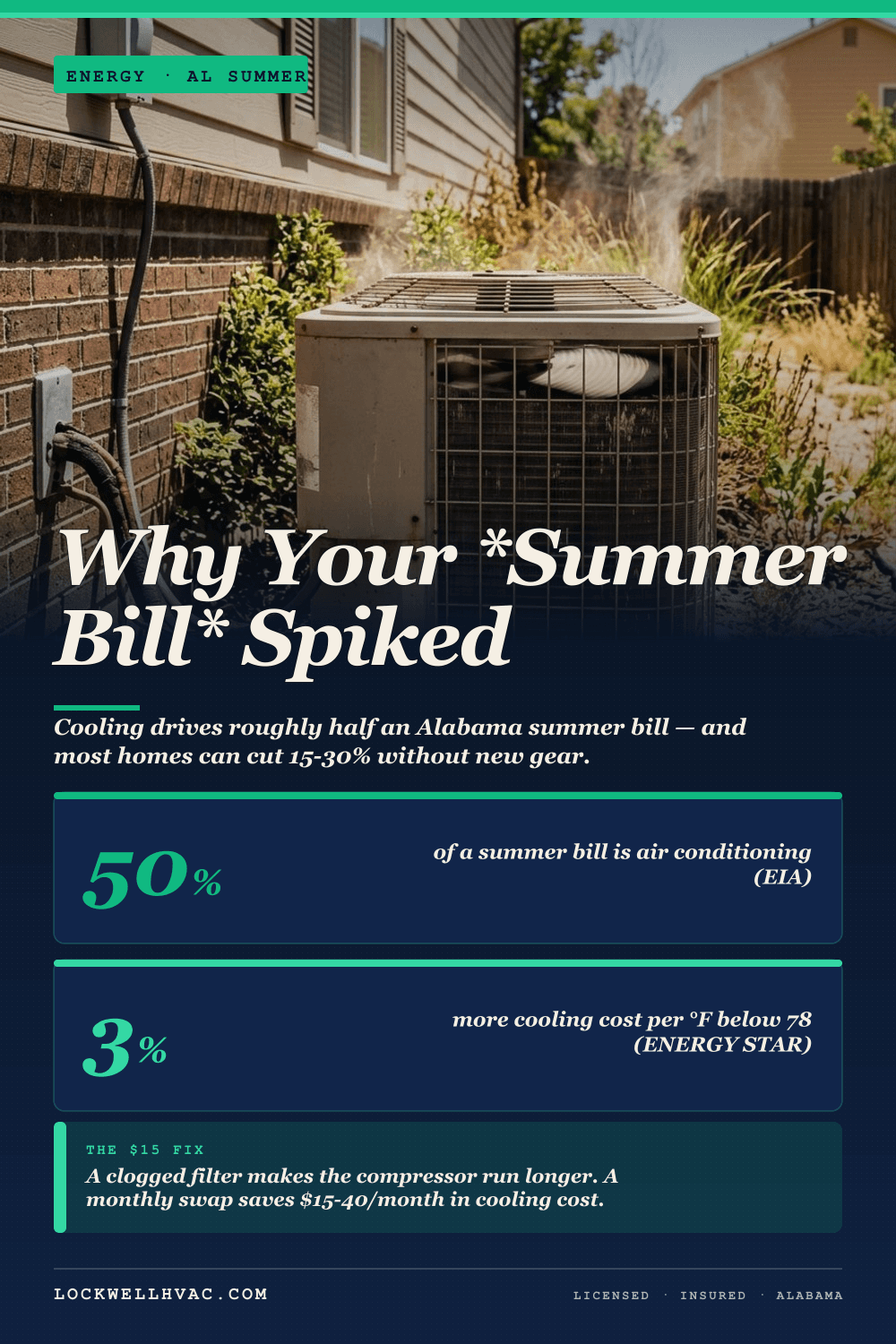
Cooling load changed. According to the U.S. Energy Information Administration, residential air conditioning accounts for roughly 19% of total U.S. home electricity use — but in hot-humid climates like ours, summer cooling can push that to 50% or more of a single month's bill.
That's not the surprising part. The surprising part is how much room there usually is to cut that bill without replacing equipment. Most Birmingham homes leak, run, or set their AC in ways that waste 15% to 30% of cooling cost every single summer.
How much of a typical Alabama summer electric bill goes to air conditioning, per EIA residential energy data
Reason #1: Your Filter Is Choking the System
The single cheapest reason your bill is high: a dirty air filter.
A filter that should be replaced becomes a wall. Your AC blower works harder to pull air through it. Less airflow reaches the evaporator coil. Refrigerant pressures shift wrong. The compressor runs longer to deliver the same cooling. Every minute of extra runtime is money flowing out of your account.
In Birmingham's pollen-heavy climate, a 1-inch filter clogs in about 30 days during cooling season. Pollen, pet dander, dust, and humidity-related debris all accumulate fast. We pull filters from Hoover homes that look like gray felt — and the homeowner swears they changed it "a few months ago."
A few months ago in March is not the same as a few months ago in June. Spring pollen alone can clog a filter in two weeks here.
Set a recurring phone alarm for the 1st of every month from April through October. Walk to your return vent, hold the filter to a window. If you can't see daylight through it, replace it. A $15 filter swap saves $15 to $40 per month in cooling cost.
Reason #2: Leaky Ductwork Is Heating Your Attic
Most Birmingham homes route ductwork through unconditioned attic space. In summer, that attic hits 130°F to 150°F. Your ductwork is trying to push 55°F supply air through that oven.
When ducts leak — at joints, plenum connections, or around boots — you're not just losing cooled air. You're pulling 130°F attic air back into your return system, mixing it with conditioned air, and forcing your AC to cool the same air twice.
The U.S. Department of Energy estimates 20% to 30% of the conditioned air moving through a typical residential duct system is lost to leaks. That's a quarter to a third of your cooling investment evaporating into your attic.
Sealing ducts with mastic at the connections — never standard duct tape, which fails fast in attic heat — pays back fast in our climate. For a typical Birmingham home, professional duct sealing recovers more bill than almost any other improvement short of full system replacement.
Reason #3: Your Thermostat Setpoint Is Too Low
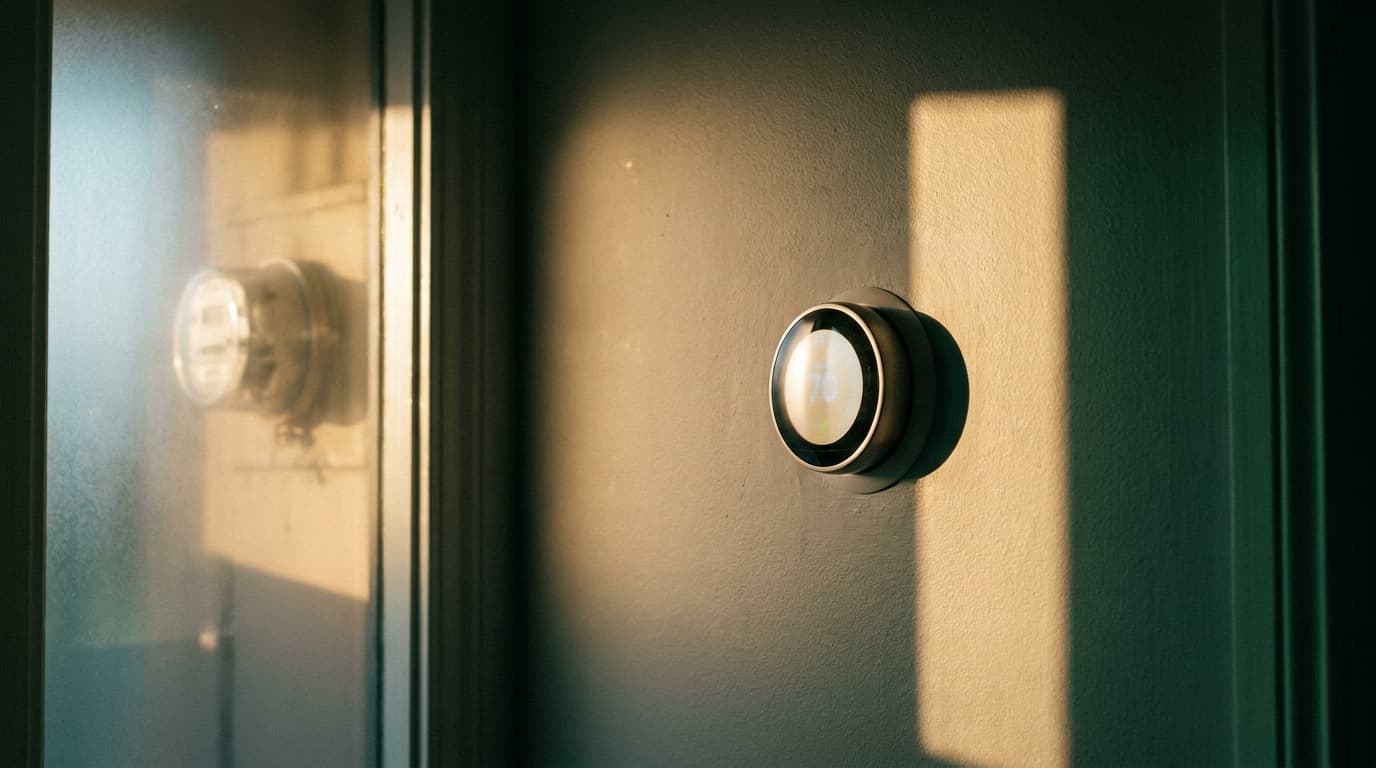
ENERGY STAR recommends 78°F when you're home in summer. Every degree below that adds roughly 3% to your cooling cost. Set your thermostat to 70°F instead of 78°F and you've added approximately 24% to your monthly cooling spend before any other variable.
Two facts most homeowners get wrong here. First, cranking the thermostat down to 65°F when you walk in hot does not cool the house faster. Your AC removes heat at a fixed rate determined by tonnage, refrigerant charge, and airflow. The setpoint just changes when it stops. Setting it lower while you're home costs more. Setting it lower while you're not home costs even more, because you're cooling an empty house.
Second, comfort isn't just temperature. It's temperature plus humidity. A house at 78°F with 45% relative humidity feels cooler than the same house at 72°F with 65% humidity. If you're cranking the thermostat lower because you're uncomfortable, the actual problem might be humidity removal — which means the AC is short-cycling, oversized, or the coil needs cleaning.
Cooling cost increase per degree below 78°F, per ENERGY STAR thermostat guidance
Reason #4: Your AC Is the Wrong Size
This one surprises homeowners. An AC that's too big for your house is more expensive to run than a properly sized one — not less.
An oversized AC blasts cold air, hits the thermostat setpoint quickly, and shuts off. Then humidity builds back up, the room feels muggy, and the unit cycles back on. Each startup pulls a current spike. Lots of short cycles equal more inrush current, more wear, and worse dehumidification — so the room never feels comfortable, and you end up dropping the setpoint trying to chase comfort.
A properly sized AC, calculated through an ACCA Manual J load calculation, runs longer at lower capacity. That extended runtime is exactly what dehumidifies the air and produces real comfort.
If your home has uneven temperatures room-to-room, mugginess at the thermostat setpoint, or short cycling (system running for under 10 minutes per cycle in summer), sizing might be your problem. We've seen homes in Mountain Brook running 5-ton equipment that should have been on 3-ton — and the bills reflected the mismatch every single month.
Reason #5: The Outdoor Unit Is Working Too Hard
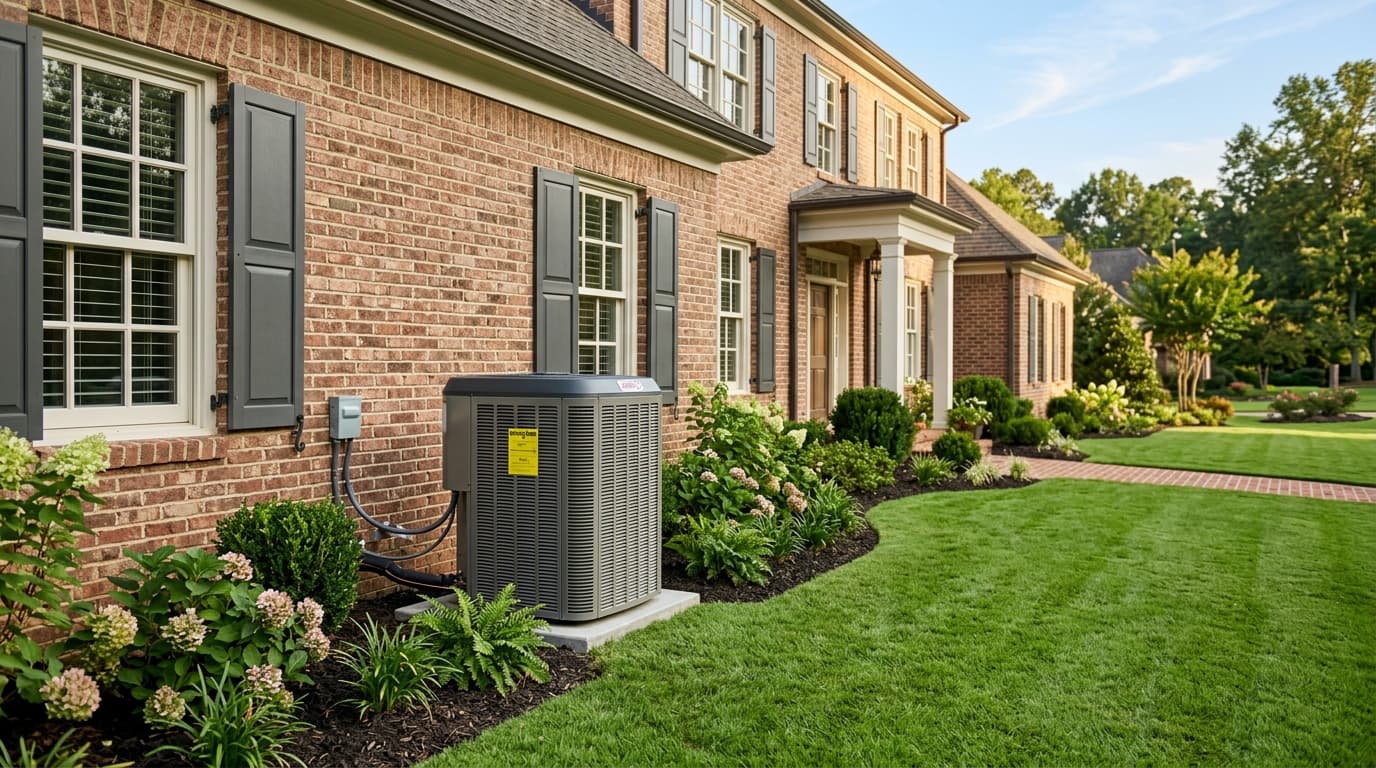
Walk outside and look at your condenser unit. Three things kill its efficiency fast.
First, debris around the unit. Bushes growing within 2 feet, mulch piled against the cabinet, leaves and grass clippings packed into the fins. Every blocked airflow path forces the compressor to work harder. Manufacturer specs typically require 18 to 24 inches of clearance on all sides.
Second, dirty coils. After a Birmingham spring of pollen and cottonwood seed, the outer fins of your condenser look like a wool sweater. That coating insulates the coil from the air it's trying to dump heat into. Annual professional cleaning restores efficiency dramatically.
Third, sun exposure. A condenser sitting in full afternoon sun on a south or west wall runs hotter than one in shade. Strategic landscape shade — without crowding the unit — can drop runtime efficiency 5% to 10%. A simple awning or shade structure 4+ feet above the unit (never blocking airflow upward) helps too.
Reason #6: Your Home Is Working Against You
Even a perfectly tuned HVAC system loses to a leaky building envelope. Air leaks around windows, recessed lights, attic hatches, and exterior wall penetrations let conditioned air leak out and humid outdoor air leak in. The DOE's Energy Saver guide identifies air sealing as one of the highest-ROI improvements for Southern climates.
Other heat gain sources: unshaded west-facing windows, attic insulation below R-30, and dark roofing on radiant-energy-exposed surfaces. None of these are HVAC problems exactly, but they all show up on your power bill the same way bad ductwork does.
What to Do About It This Month
Start with the free fixes. Replace the filter today. Walk your accessible ductwork in attic or crawlspace and look for obvious gaps. Clear 2 feet around your outdoor unit. Set the thermostat to 78°F when home, 85°F when away.
Next, the cheap fixes. Get your condenser coils washed (a garden hose works for surface dust; serious cleaning needs a tech). Schedule a professional tune-up if it's been over a year. Check attic insulation depth — Birmingham homes built before 2000 often have 6 inches when they should have 12 to 16.
If after all that the bill still hurts, the equipment itself may be the problem. Old systems (15+ years), R-22 refrigerant systems, single-stage equipment in humid climates, and oversized installations all bleed money you can't recover with maintenance.
For specific service options, see our AC repair page, duct cleaning and sealing, our maintenance plans, and our SEER ratings explained guide. Local context for Birmingham service is in the area pages.
Need HVAC service in the Birmingham area?
Available 24/7. Licensed and insured. Written estimates before work begins.
Call (205) 206-7030Frequently Asked Questions
Visual Guide
Compiled by the HVAC technicians at Lockwell HVAC in Gardendale, Alabama. The efficiency guidance here is grounded in what moves the needle on real Alabama homes across the North Birmingham metro — airflow, duct condition, charge, and thermostat behavior — rather than spec-sheet ratings alone.
- U.S. Department of Energy — Energy efficiency and maintenance guidelines
- ENERGY STAR — Thermostat and installation efficiency standards
- ASHRAE — Coil cleaning and maintenance guidelines
- ACCA — Manual J load calculation standards and equipment lifespan data
- U.S. EPA — Refrigerant regulations and indoor air quality guidance
- NFPA — Electrical safety and fire prevention
- CPSC — Carbon monoxide safety data
- NADCA — Duct cleaning standards
Bookmark this page for reference. Share it with a neighbor who might find it useful. If you have questions about anything covered here, call us directly — a real person answers, not a recording.
Read Next