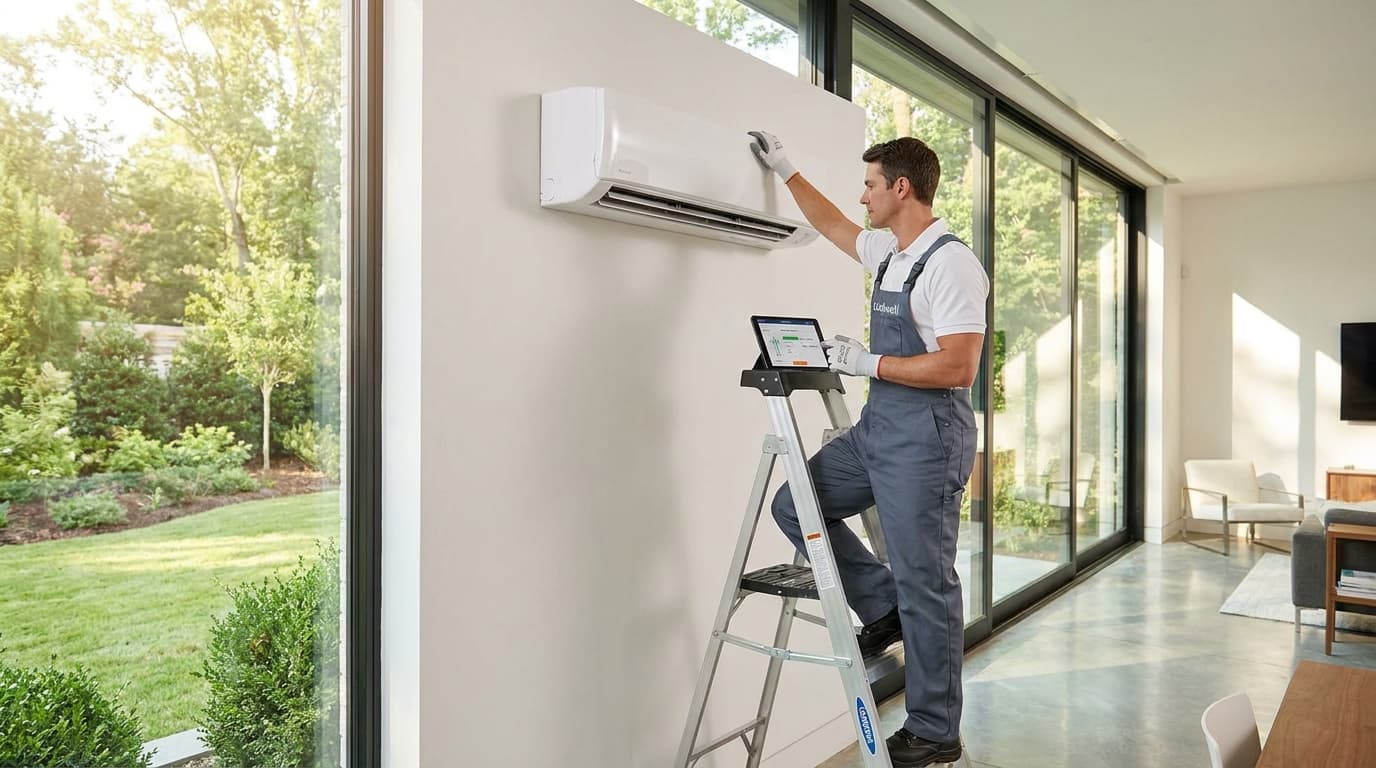
Heat Pump Repair & Service for Gardendale and Fultondale Homes
Heat Pump vs. Furnace for Alabama — The Real Comparison
If you are deciding between a heat pump and a gas furnace for your Alabama home, here is what the numbers and the climate actually tell you.
Alabama winters are mild by national standards. Gardendale averages a winter low of 32 degrees. That is cold enough to need heat, but warm enough that a heat pump operates efficiently for the vast majority of winter hours. Heat pumps lose efficiency as temperatures drop, but they only struggle when temps stay below 25 to 30 degrees for extended periods — which happens maybe 10 to 15 days per year in North Birmingham.
A heat pump does both heating and cooling from a single system. One piece of equipment handles year-round comfort. You eliminate the need for separate AC and furnace units, which simplifies maintenance and reduces the total equipment footprint.
Gas furnaces still have their place. They produce hotter supply air temperatures, which some homeowners prefer. They operate independently of outdoor temperature — a furnace at zero degrees works the same as a furnace at 40 degrees. And in homes with existing gas infrastructure, a furnace can be the most cost-effective replacement when the old one fails.
| Factor | Heat Pump | Gas Furnace |
|---|---|---|
| Heating efficiency (mild weather) | Very high (300–400% at 47°F) | Moderate (78–98% AFUE) |
| Cooling capability | Yes — built-in | No — requires separate AC |
| Performance below 25°F | Reduced — may need backup | Consistent regardless of temp |
| Fuel type | Electricity only | Natural gas or propane |
| Best for Alabama winters | Yes — most winter hours are above 35°F | Good for extreme cold snaps |
| Source: U.S. Department of Energy — Heat Pump Basics | ||
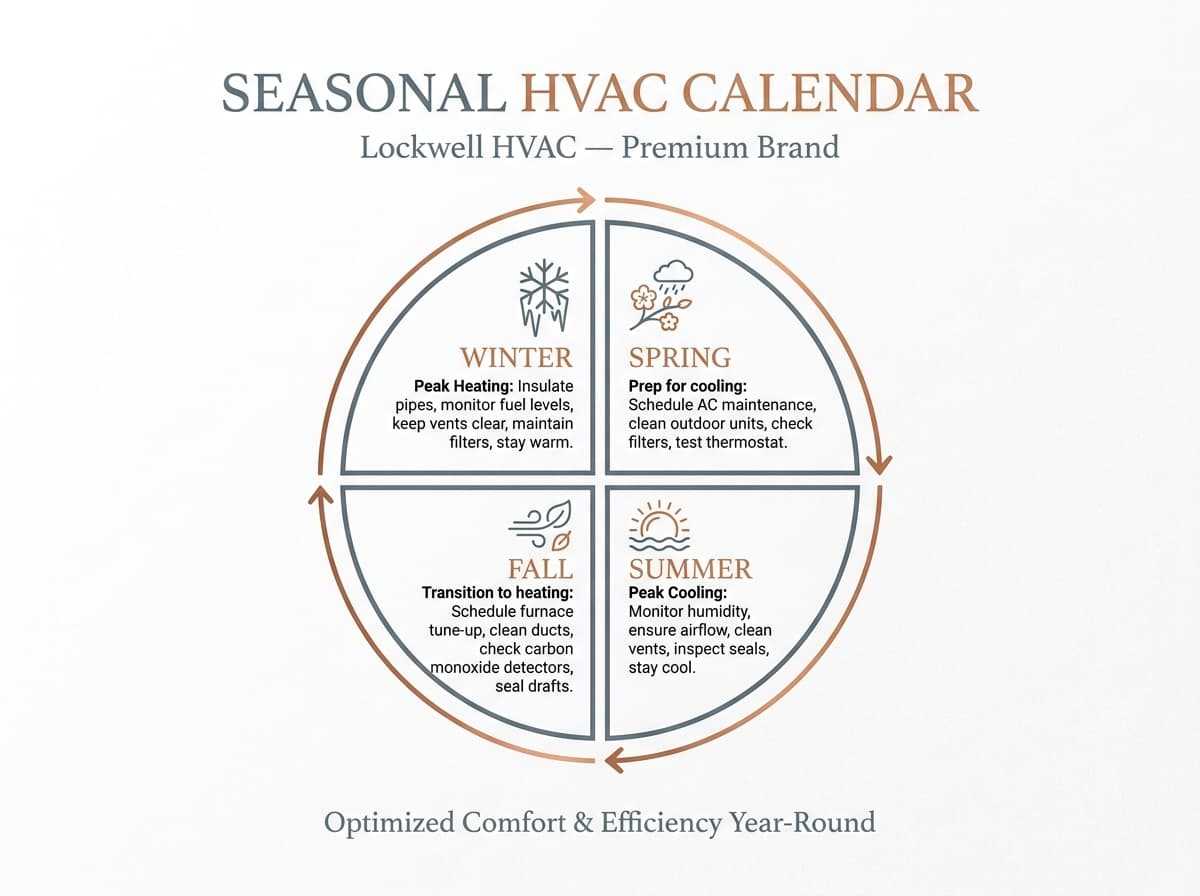
Quick Reference Guide
Dual Fuel Systems — The Best of Both Worlds
For Alabama homeowners who want maximum efficiency and maximum comfort, a dual fuel system is the engineering answer. This combines a heat pump with a small gas furnace backup.
Here is how it works: the heat pump handles heating down to roughly 35 degrees, which covers about 90 percent of Alabama winter hours at maximum efficiency. When temperatures drop below the heat pump's efficient range, the system automatically switches to the gas furnace for supplemental heat. You get heat pump efficiency for most of the winter and gas furnace output for the coldest days.
Dual fuel systems are particularly popular in Helena, Gardendale, and the higher-elevation areas of North Birmingham where winter temperatures occasionally dip lower than the Birmingham average. The automatic switchover means you never have to think about it — the system optimizes itself based on outdoor conditions.
Heat Pump Efficiency — Understanding the Numbers
Heat pump efficiency is measured in SEER for cooling and HSPF for heating. Modern heat pumps achieve 16 to 20+ SEER and 9 to 11 HSPF, which represents a dramatic improvement over systems manufactured even 10 years ago.
The key efficiency advantage of a heat pump is that it moves heat rather than generating it. A gas furnace burns fuel to create heat. A heat pump extracts heat from outdoor air and transfers it inside. Even when it is cold outside, there is still thermal energy in the air that a heat pump can capture.
At 47 degrees — a typical Gardendale winter afternoon — a modern heat pump delivers 3 to 4 units of heat energy for every 1 unit of electrical energy it consumes. That is 300 to 400 percent effective. No combustion system can match that ratio.
As temperatures drop, that ratio decreases. By 17 degrees, a heat pump may deliver only 1.5 to 2 units of heat per unit of electricity. At that point, it is still operating, but a gas furnace or electric heat strips may be more cost-effective per BTU depending on local gas and electricity rates.
Common Heat Pump Problems in Our Service Area
Defrost cycle failures are the number one winter service call for heat pump homes. The defrost board, outdoor temperature sensor, or reversing valve fails, and the outdoor unit ices over. The system defaults to emergency heat strips, which work but cost significantly more to operate. Homeowners see the spike on their electric bill before they notice the ice on the outdoor unit.
Refrigerant charge issues affect heat pumps year-round but become more noticeable in heating mode. An undercharged system produces less heat, runs longer, and stresses the compressor. Overcharging causes high discharge pressures that can damage the compressor or trigger high-pressure safety lockouts.
Reversing valve problems prevent the system from switching between heating and cooling modes. A stuck reversing valve means the system either heats when it should cool, cools when it should heat, or gets stuck in between and does neither well.
Thermostat configuration errors cause more heat pump complaints than actual equipment failures. Many thermostats have specific settings for heat pump operation versus conventional furnace operation. A thermostat configured for a furnace will not manage a heat pump's defrost cycle, auxiliary heat staging, or emergency heat mode correctly.
Ductless Mini-Split Heat Pumps
Ductless mini-splits are individual heat pump units that serve single rooms or zones without ductwork. They are an excellent solution for specific situations across our service area.
Homes without existing ductwork — particularly older homes in Bessemer, Center Point, and Irondale that were built before central air became standard — can add heating and cooling room by room without the expense and disruption of installing duct systems.
Room additions, converted garages, sunrooms, and bonus rooms that the existing central system cannot adequately serve benefit from a dedicated mini-split unit that provides independent temperature control.
Multi-zone mini-split systems can serve an entire home with individual temperature control in each zone, eliminating the compromise of a single thermostat trying to keep every room comfortable.
Schedule Heat Pump Service
Call (205) 206-7030 for heat pump maintenance, repair, or installation consultation. We service all brands and all configurations — ducted, ductless, single-zone, multi-zone, and dual fuel. Written estimates before work begins. Available 24/7. Licensed and insured.
Heat Pump Service — Frequently Asked Questions
Prepared by the field technicians at Lockwell HVAC in Gardendale, Alabama. This page reflects how we actually diagnose, repair, and install equipment on residential service calls across the North Birmingham metro — what we measure, what we replace, and how we verify the work before we leave.
Heat Pump Service Service Area
Lockwell HVAC provides heat pump service for homes in 9 North Birmingham metro communities. We do not service Hoover, Vestavia Hills, Mountain Brook, Trussville, or cities outside Jefferson and Shelby counties.
- [1]Heat pump efficiency comparisons — U.S. Department of Energy
- [2]SEER and HSPF rating standards — Air-Conditioning, Heating, and Refrigeration Institute (AHRI)
- [3]Dual fuel system performance data — ASHRAE Handbook — HVAC Systems and Equipment
Bookmark this page for reference. Share it with a neighbor who might find it useful. If you have questions about anything covered here, call us directly — a real person answers, not a recording.